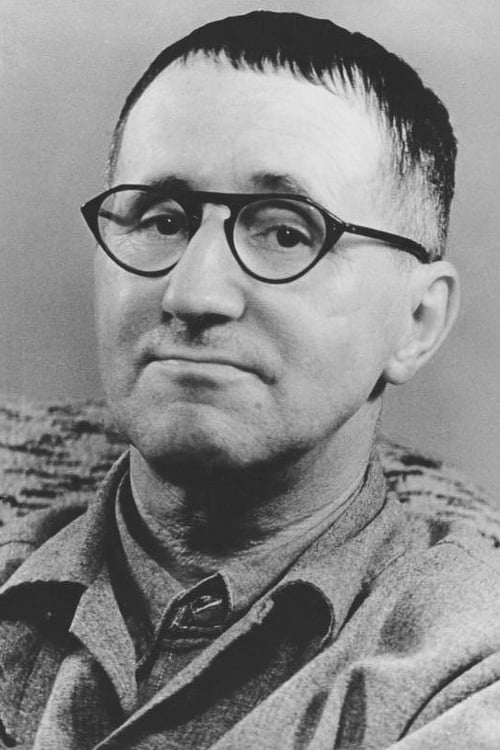
Bertolt Brecht
Writing
- Born
- February 10, 1898 · Augsburg, Germany
- Died
- August 14, 1956 (age 58)
Eugen Berthold Friedrich Brecht (10 February 1898 – 14 August 1956), known as Bertolt Brecht and Bert Brecht, was a German theatre practitioner, playwright, and poet. Coming of age during the Weimar Republic, he had his first successes as a playwright in Munich and moved to Berlin in 1924, where he wrote The Threepenny Opera with Elisabeth Hauptmann and Kurt Weill and began a lifelong collaboration with the composer Hanns Eisler. Immersed in Marxist thought during this period, Brecht wrote didactic Lehrstücke and became a leading theoretician of epic theatre (which he later preferred to call "dialectical theatre") and the Verfremdungseffekt.
When the Nazis came to power in Germany in 1933, Brecht fled his home country, initially to Scandinavia. During World War II he moved to Southern California, where he established himself as a screenwriter while being surveilled by the FBI. In 1947, he was part of the first group of Hollywood film artists to be subpoenaed by the House Un-American Activities Committee for alleged Communist Party affiliations. The day after testifying, he returned to Europe, eventually settling in East Berlin, where he co-founded the theatre company Berliner Ensemble with his wife and long-time collaborator, actress Helene Weigel.
Read moreShow less
Description above from the Wikipedia article Bertolt Brecht, licensed under CC-BY-SA, full list of contributors on Wikipedia.
Known for
Hangmen Also Die!
April 1, 1943
The 3 Penny Opera
February 18, 1931

Kuhle Wampe or Who Owns the World?
May 14, 1932
The Shameless Old Lady
March 24, 1965
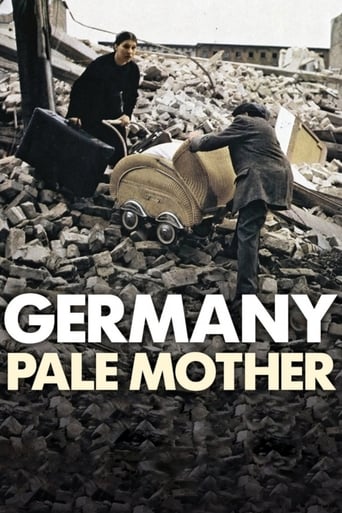
Germany Pale Mother
September 26, 1980
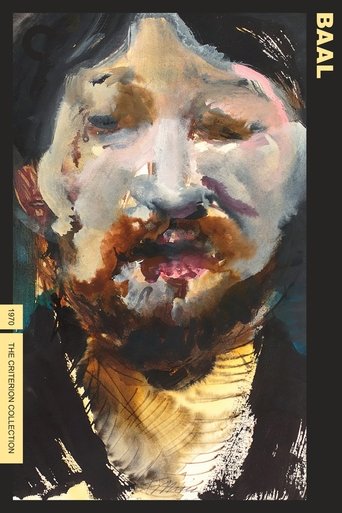
Baal
January 7, 1970
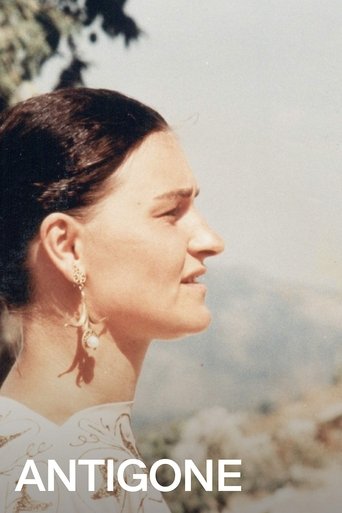
Antigone
September 2, 1992
Galileo
January 27, 1975

The Mysteries of a Hairdresser's Shop
July 14, 1923
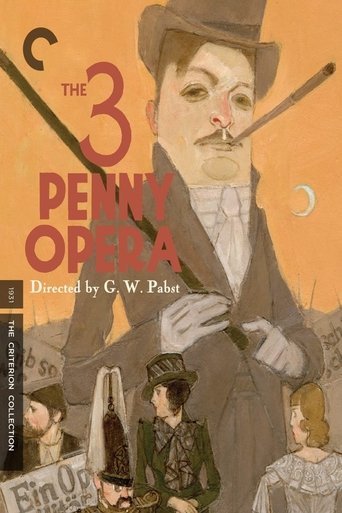
The Threepenny Opera
June 8, 1931

Baal
May 11, 2004

Baal
February 2, 1982
Behind the camera93
- 2025The Good Person of Szechwan Writer
- 2025Die Gewehre der Frau Carrar / Würgendes Blei Theatre Play
- 2024A Santa Joana dos Matadouros Writer
- 2024The Change of the Wheel Novel
- 2021The Seven Deadly Sins / Mahagonny Song Play - Teatro Alla Scala Writer
- 2020The Good Man from Szechuan Writer
- 2020Rules of the Assembly Line, at High Speed Story
- 2019Rise and Fall of the City of Mahagonny Writer
- 2018Trommeln in der Nacht Theatre Play
- 2016