Kåre Bergstrøm
Directing
- Born
- February 3, 1911 · Värmland, Sweden
- Died
- June 24, 1976 (age 65)
Kåre Bergstrøm (3 February 1911 – 24 June 1976) was a Swedish-born cinematographer and film director who settled in Norway.
Bergstrøm was born in Värmland. He was assigned with the film production company Norsk Film from 1933, and eventually became took up cinematography. He was the cinematographer for Toralf Sandø's film Den forsvundne pølsemaker from 1941, Tancred Ibsen's film Den farlige leken from 1942, Rasmus Breistein's Trysil-Knut from 1942, and Alfred Maurstad's comedy En herre med bart from 1942. After World War II he was the cinematographer for Edith Carlmar's film debut Døden er et kjærtegn, and Ibsen's To mistenkelige personer, which was eventually denied a public showing after a judgement by the Supreme Court of Norway. His first film as director was the love story Andrine og Kjell from 1952. He further directed the comedy Det kunne vært deg (1952), the war documentary Blodveien (1955), about Yugoslav slave workers in Norway during World War II, the thriller Lake of the Dead (1958), based on a crime novel by André Bjerke, a biographical film about Hans Nielsen Hauge (1961), Klokker i måneskinn (1964), and the children's film Bjurra (1970).
Known for
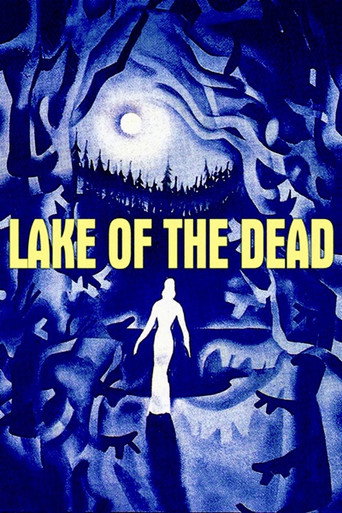
Lake of the Dead
December 17, 1958
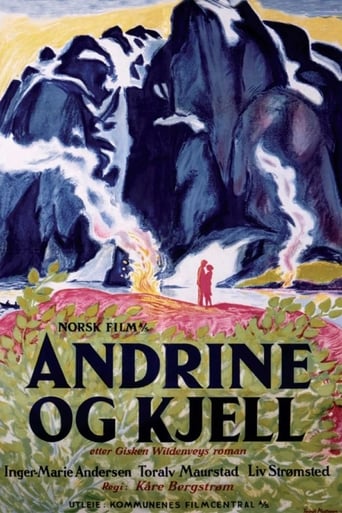
Andrine and Kjell
March 10, 1952

Death Is a Caress
August 29, 1949
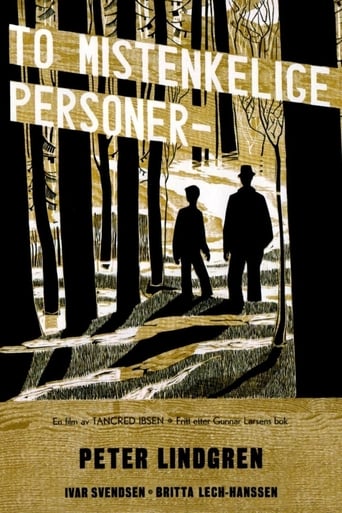
Two Suspicious People
December 31, 1950
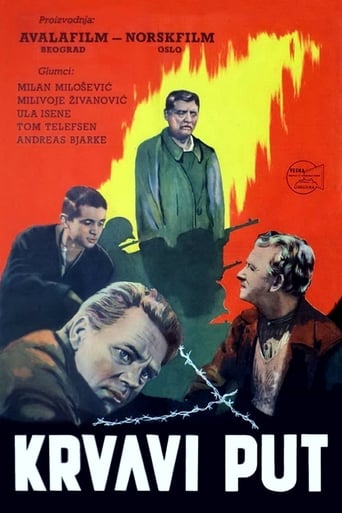
The Blood Road
February 14, 1955
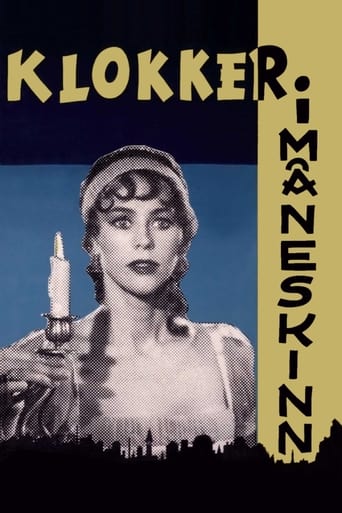
Clocks in the Moonlight
September 21, 1964
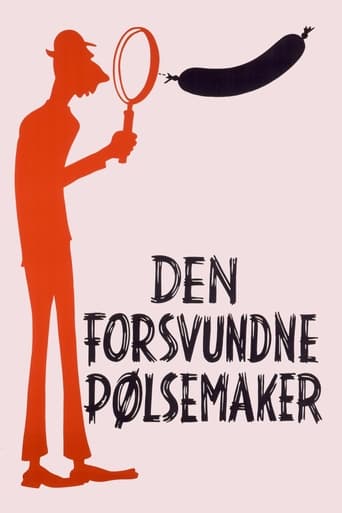
The Lost Sausage Maker
December 26, 1941
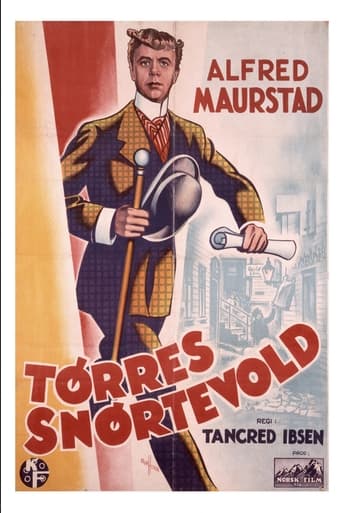
Tørres Snørtevold
December 26, 1940

The Mysterious Apartment
November 1, 1948
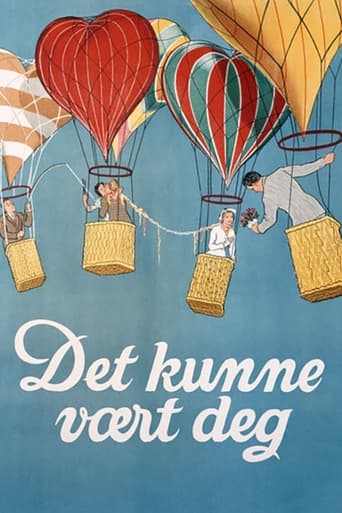
Det kunne vært deg
November 13, 1952
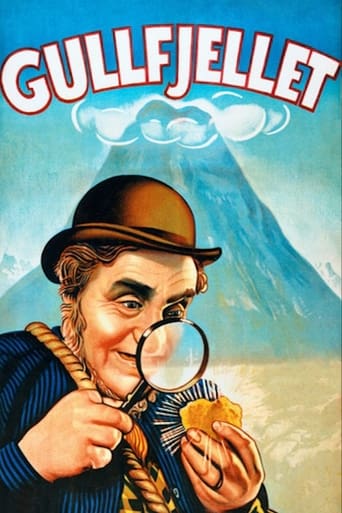
Gullfjellet
April 14, 1941
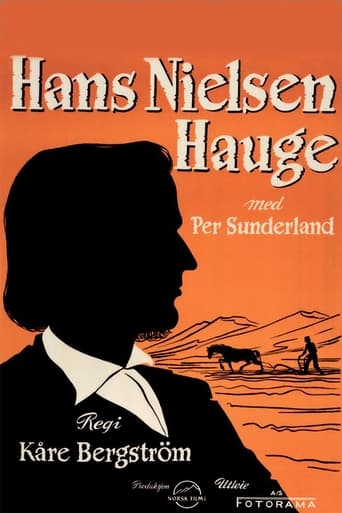
Hans Nielsen Hauge
February 11, 1961
Behind the camera23
- 2023Alive & Well Director
- 1970Bjurra Director
- 1964Clocks in the Moonlight Director
- 1961Hans Nielsen Hauge Director
- 1958Lake of the Dead Director, Writer
- 1956On the Sunny Side Screenplay
- 1955The Blood Road Director
- 1952Det kunne vært deg Director
- 1952Andrine and Kjell Director, Writer
- 1951Dei svarte hestane Writer